What Are Nootropics? A Beginner's Guide to Cognitive Enhancement
Nootropics are compounds that support cognitive function. Here's how they work, which ingredients actually matter, and how to use them for deep work.
If you've ever searched for a way to focus longer, think clearer, or power through a demanding project without burning out, you've probably come across the word nootropic. It's a broad term that covers everything from your morning coffee to specialized supplements designed for cognitive performance.
The goal of a nootropic isn't to turn you into a different person. It's to help your brain show up consistently especially when you need long, uninterrupted blocks of concentration. For deep work, that matters more than a quick energy spike.
What nootropics actually are
The term nootropic was coined in 1972 by Romanian chemist Corneliu Giurgea. He defined it as a substance that enhances learning and memory while protecting the brain and being remarkably safe. In practice, the word has expanded to describe any compound that supports focus, memory, creativity, mental energy, or stress resilience.
Nootropics fall into two broad categories:
- Natural nootropics plant extracts, amino acids, and everyday compounds such as caffeine, L-theanine, ginseng, bacopa, rhodiola, and lion's mane.
- Synthetic or prescription nootropics lab-developed compounds, including racetams and prescription stimulants such as modafinil. These often require medical supervision.
For most people looking to support focus during deep work, natural nootropics are the better starting point. They have longer histories of use, clearer safety profiles, and are easier to stack responsibly.
How nootropics work
Neurotransmitters
Many nootropics influence acetylcholine, dopamine, and GABA the chemical messengers behind attention, motivation, and calm.
Brain energy
Some compounds support glucose metabolism, oxygen delivery, and mitochondrial function, helping your brain sustain effort over time.
Alertness
Caffeine and similar stimulants block adenosine receptors, reducing the feeling of fatigue and increasing wakefulness.
Stress response
Adaptogens such as ginseng help the body manage stress, which indirectly protects focus and decision-making under pressure.
The ingredients that matter for focus
Not every ingredient marketed as a nootropic has strong evidence. The ones below are among the most studied and commonly used for cognitive performance:
Alpha-GPC
Alpha-GPC is a highly bioavailable form of choline, a nutrient your brain uses to make acetylcholine. Acetylcholine is closely tied to attention, learning, and memory. Studies suggest Alpha-GPC can support cognitive performance and attention, making it a popular base for focus formulas.
L-Theanine
L-Theanine is an amino acid found naturally in tea leaves. It promotes alpha brain-wave activity, the state associated with relaxed alertness. When paired with caffeine, L-theanine is especially effective: it smooths out the jitters while preserving the boost in focus and reaction time.
Natural caffeine
Caffeine is the most widely used nootropic in the world. In moderate doses it increases alertness, reduces perceived effort, and can extend productive work sessions. The key is dose and timing too much leads to anxiety and crash; too late disrupts sleep.
Ginseng
Ginseng has been used for centuries as an adaptogen. Modern research points to benefits for mental energy and cognitive endurance, particularly during long or mentally demanding tasks. It's a useful addition for anyone trying to maintain performance across a full workday.
Safety and efficacy
Most natural nootropics have long histories of human use and favorable safety profiles. That said, efficacy depends on three things: the ingredient, the dose, and the individual. What works well for one person may feel subtle for another.
When evaluating a nootropic supplement, look for:
- Transparent labels with exact doses no proprietary blends hiding the amounts.
- Ingredients backed by published research, not just marketing claims.
- Third-party testing for purity and potency.
- Clear instructions and realistic expectations.
If you're pregnant, nursing, taking medication, or managing a health condition, talk to a healthcare provider before starting any new supplement. And always start with the recommended dose to see how you respond.
Nootropics for deep work
Deep work the ability to focus without distraction on a cognitively demanding task is where nootropics shine. The right stack can help you enter a focused state faster, stay there longer, and avoid the afternoon crash that derails productivity.
Common use cases include:
- Programming and technical work long sessions of problem-solving and code review.
- Writing and creative projects sustained idea generation and editing.
- Studying and research absorbing complex material and retaining it.
- Meetings and analysis staying sharp during back to back decisions.
Best practices: take your nootropic 20–30 minutes before a focused block, stay hydrated, schedule breaks, and avoid stacking multiple stimulants. The goal is sustainable performance, not a wired, short-lived spike.
Choosing a nootropic supplement
The supplement market is crowded. The products that stand out share a few traits: they list every ingredient and dose, they use research backed compounds, and they test for quality.
For deep work specifically, a formula that combines Alpha-GPC, L-Theanine, and a moderate dose of caffeine covers the core bases: choline for attention, L-Theanine for calm, and caffeine for alertness. Add ginseng if you want extra endurance across a long day.
Ready to lock in?
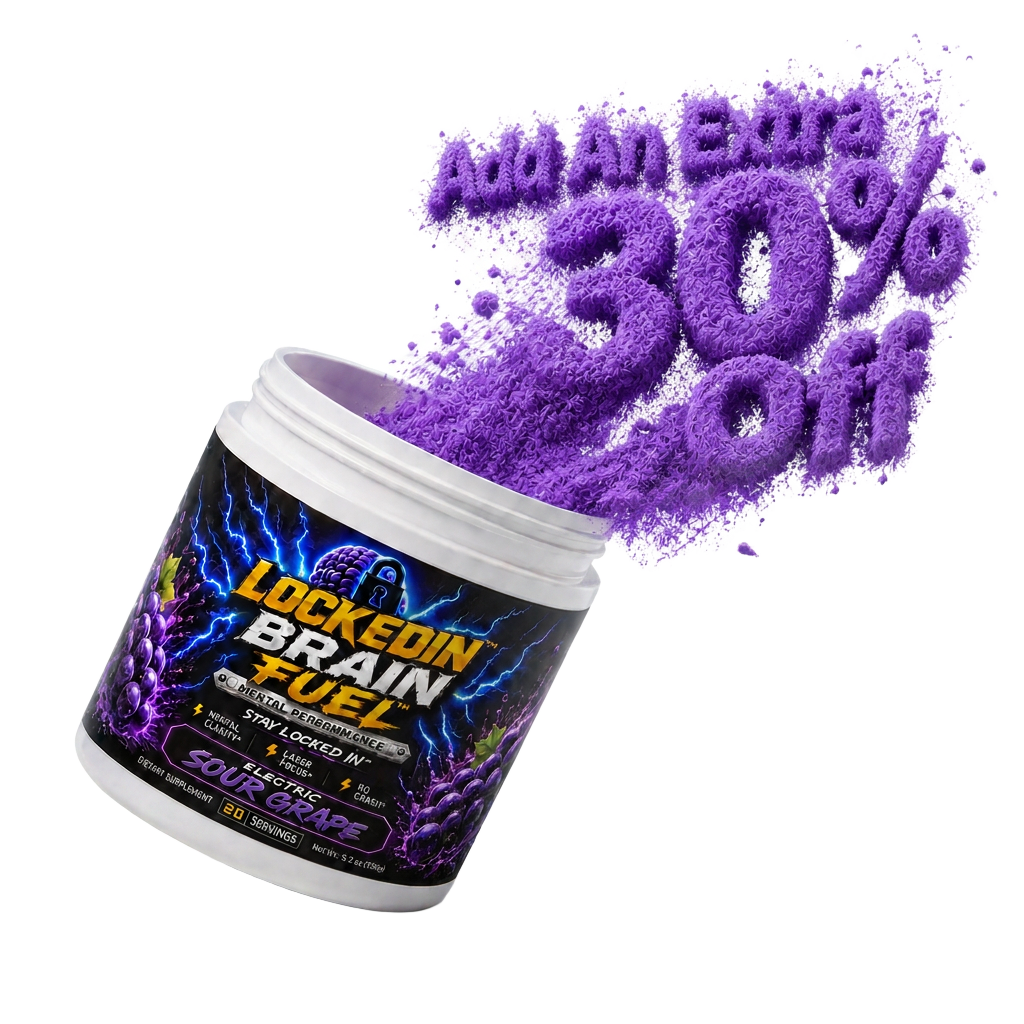
Locked In is a nootropic focus powder built for deep work. It combines Alpha-GPC, L-Theanine, natural caffeine, and ginseng with transparent dosing, no proprietary blends. One tub at a time.
Shop Focus Powder